

Key Takeaways
- Extensive tooth loss requires a full evaluation of the teeth, gums, bite, jawbone, health history, and daily habits.
- Active infection, decay, unstable teeth, and gum inflammation may need attention before final replacement treatment.
- Removable dentures, bridges, implant-supported restorations, and phased care each have different benefits and responsibilities.
- A durable plan accounts for recovery, cleaning, follow-up care, comfort, function, and total long-term cost.
Major tooth loss can change far more than the appearance of a smile. It may affect chewing, speech, bite balance, food choices, and confidence. The right next step is not automatically the fastest replacement. It is a care plan based on the current condition of the mouth and the person’s priorities.
For some people, options such as all-on-x full-arch dental implants may be part of the discussion. However, no approach is universally appropriate. The health of the gums, available bone, remaining teeth, medical history, and ability to maintain the restoration all matter when selecting treatment.
Why A Complete Care Plan Matters
When many teeth are missing or failing, replacing visible gaps alone may not solve the underlying problem. Nearby teeth can shift or become overloaded, while gum disease, tooth decay, bite problems, or poor-fitting older restorations may still need treatment. A clinician should assess the entire mouth before recommending a permanent solution.
Care can also involve trade-offs. One option may reduce the need for surgery but require removal for cleaning. Another may offer more stability but involve surgery, healing time, and a more detailed maintenance routine. A thoughtful comparison helps patients choose based on function and long-term practicality, not marketing language or an initial price alone.
Start With A Complete Oral Health Review
A comprehensive consultation typically begins with a conversation about symptoms, goals, prior dental treatment, and health history. The examination may include digital scans or imaging when appropriate, along with a review of:
- Gum health and signs of periodontal disease
- Decay, cracks, mobility, and prognosis of remaining teeth
- Jawbone and soft-tissue support
- Bite position, chewing patterns, and signs of grinding or clenching
- Medications, allergies, smoking or nicotine use, and conditions that may affect healing
- Daily home care, diet, work schedule, and ability to attend follow-up visits
Control Active Problems Before Permanent Treatment
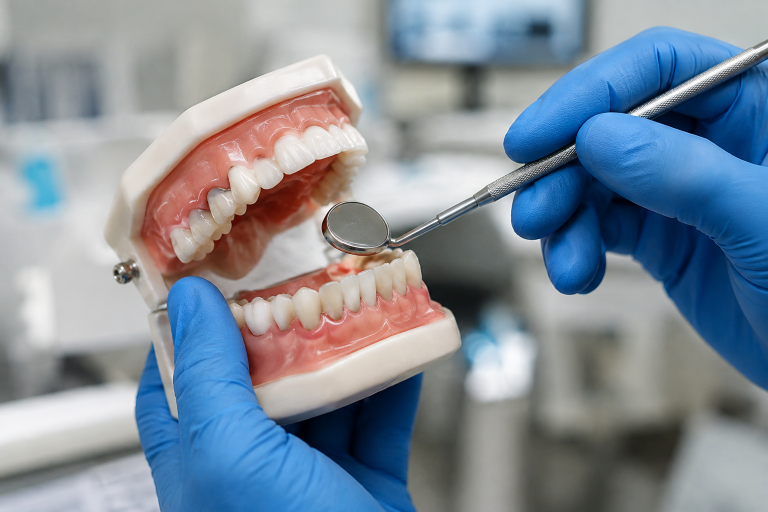
Permanent restorations are usually more predictable when active disease is brought under control first. Depending on the findings, the sequence may include urgent treatment for pain or infection, periodontal care, repairs to teeth that can be maintained, and removal of teeth with a poor long-term outlook.
- Address urgent pain, swelling, infection, or damaged restorations.
- Determine which natural teeth can be predictably preserved.
- Treat gum inflammation or periodontal disease as needed.
- Remove teeth that cannot be maintained, when appropriate.
- Reassess healing, bite, and tissue health before final treatment.
In severe tooth-loss cases, structured treatment planning for severe tooth loss can help clinicians test and transfer a comfortable bite position before definitive restorations are made.
Compare The Main Replacement Paths
The following overview can make initial conversations easier, but it cannot replace an in-person examination and individualized treatment plan.
| Option | Potential Advantages | Key Considerations |
|---|---|---|
| Removable dentures | Can replace many teeth without implant surgery | Need daily cleaning, periodic adjustments, and may feel less stable for some people |
| Fixed bridges | May replace selected missing teeth with a fixed restoration | Cleaning access and the condition of supporting teeth are important |
| Implant-supported restorations | Can support fixed or removable tooth replacement | Require surgery, healing, suitable anatomy, and ongoing professional maintenance |
| Staged or combined care | Allows disease control and healing before final treatment | May involve temporary restorations and a longer overall timeline |
How Health And Daily Habits Affect Planning
Health history is part of dental planning, not an afterthought. Diabetes, medications that affect bleeding or bone metabolism, smoking or nicotine use, a history of gum disease, and teeth grinding can influence treatment choices and follow-up needs. Patients should provide a complete medication list, including supplements and recent changes in health status.
Home care and attendance also matter. A restoration must be cleaned consistently, and adjustments or maintenance appointments can be necessary even after treatment is complete. The best plan is one a patient can realistically care for over time.
Why Periodontal Health Deserves Special Attention
Gums and supporting bone help determine whether remaining teeth can be retained and whether replacement options are likely to be stable. Periodontal care remains important after tooth replacement because natural teeth, gum tissue, and implant-supported restorations still need regular monitoring and cleaning.
The American Academy of Periodontology describes periodontal maintenance as ongoing care at selected intervals to help patients maintain oral health after periodontal treatment. The appropriate recall schedule depends on individual risk factors and clinical findings.
Build A Realistic Recovery And Maintenance Plan
- Ask what discomfort, swelling, dietary changes, or activity limits to expect during early recovery.
- Confirm how to clean the mouth and restoration while tissues heal.
- Keep review appointments so fit, bite, and healing can be checked.
- Report worsening pain, swelling, bleeding, looseness, or changes in how the teeth meet.
- Continue daily cleaning after the mouth feels normal, not only during recovery.
Think Beyond The Initial Price
A meaningful cost comparison includes diagnostics, extractions, gum treatment, grafting when indicated, temporary restorations, final materials, laboratory work, follow-up visits, and possible future repairs. It can also include time away from work, travel, and the cost of maintaining the restoration. Asking for a written plan helps distinguish urgent treatment from options that may be staged later.
Questions To Ask At Your Consultation
- Which teeth, if any, can be saved predictably?
- What is the purpose of each recommended step?
- Will I need extractions, grafting, or temporary teeth?
- How long will treatment and healing likely take?
- How will I clean the restoration every day?
- What maintenance visits and future costs should I expect?
- What alternatives are available if my preferred option is not suitable?
Conclusion
Planning care after extensive tooth loss is a process of restoring health and function, not simply filling spaces. By addressing active problems first, comparing realistic options, and planning for lifelong maintenance, patients can make more informed decisions that support comfort, confidence, and oral health over time.


No comments:
Post a Comment
“The plot thickens… especially when you comment.” 〜B.J. Burgess